Physical-Fitness Karate
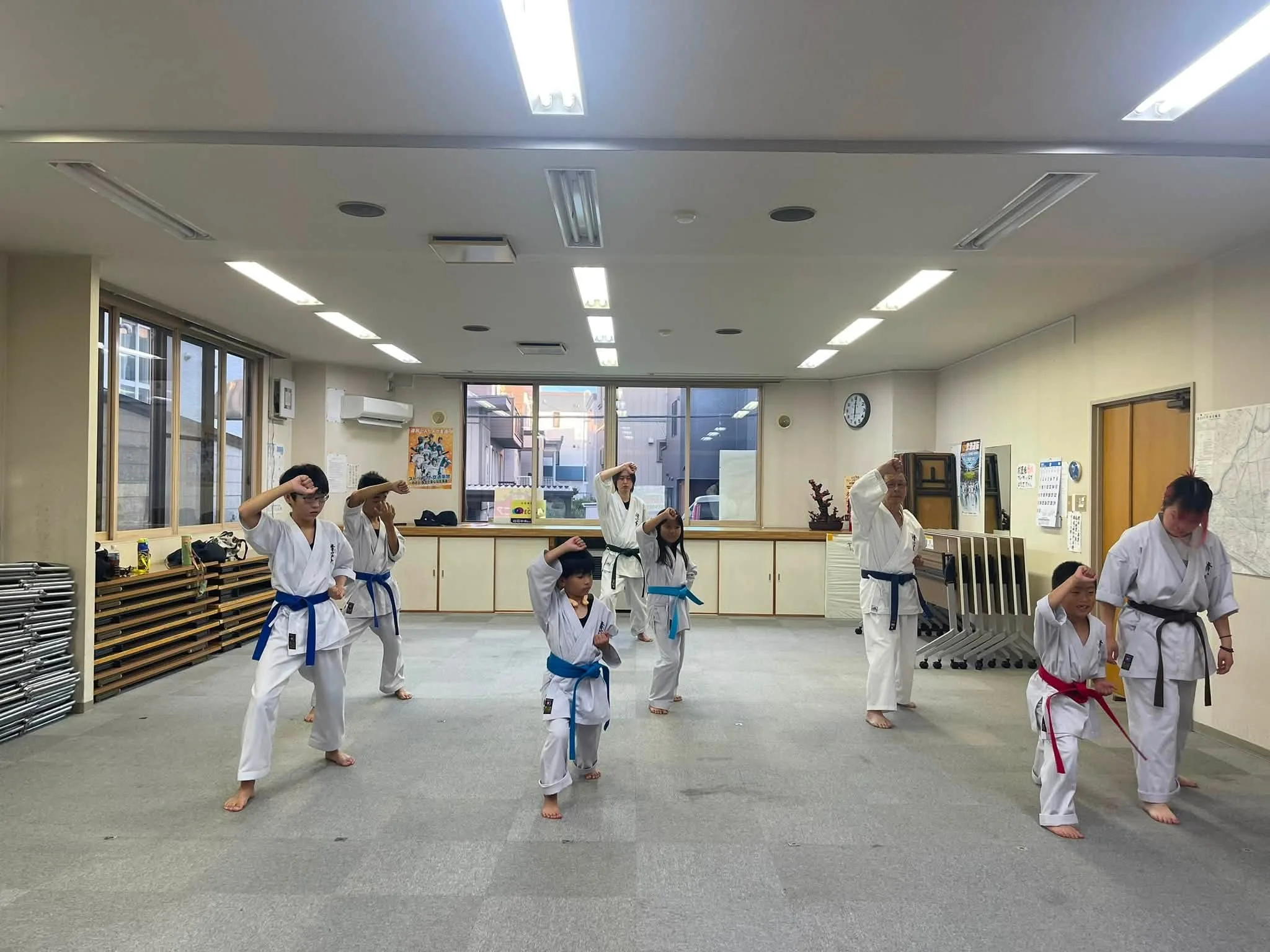
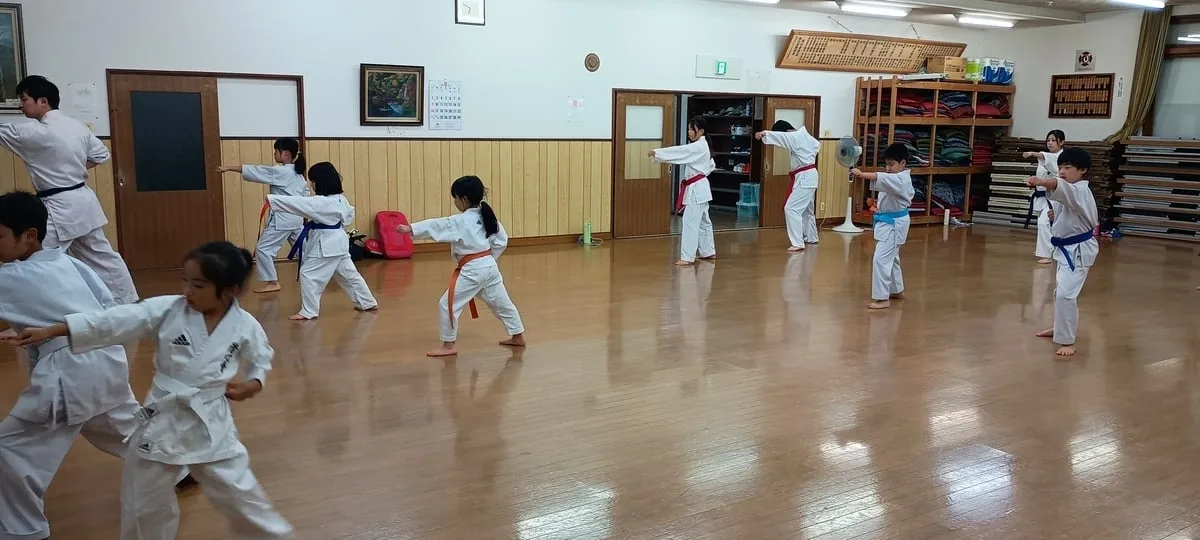
For preschoolers through junior high students in their growth years, Seishinkai karate — a full-body exercise that engages everything from the tips of the toes to the head — is ideal.
Sports centered on competition build the body through competing with others, but from a competitive standpoint they often place strain on specific parts of the body rather than offering complete full-body conditioning.
Especially during the growth years from preschool through the early elementary grades, Seishinkai's physical-fitness karate — which isn't centered on competition (sport) — is the best fit.
Seishinkai karate strengthens the core and improves physical function without placing excessive strain on any one part of the body.
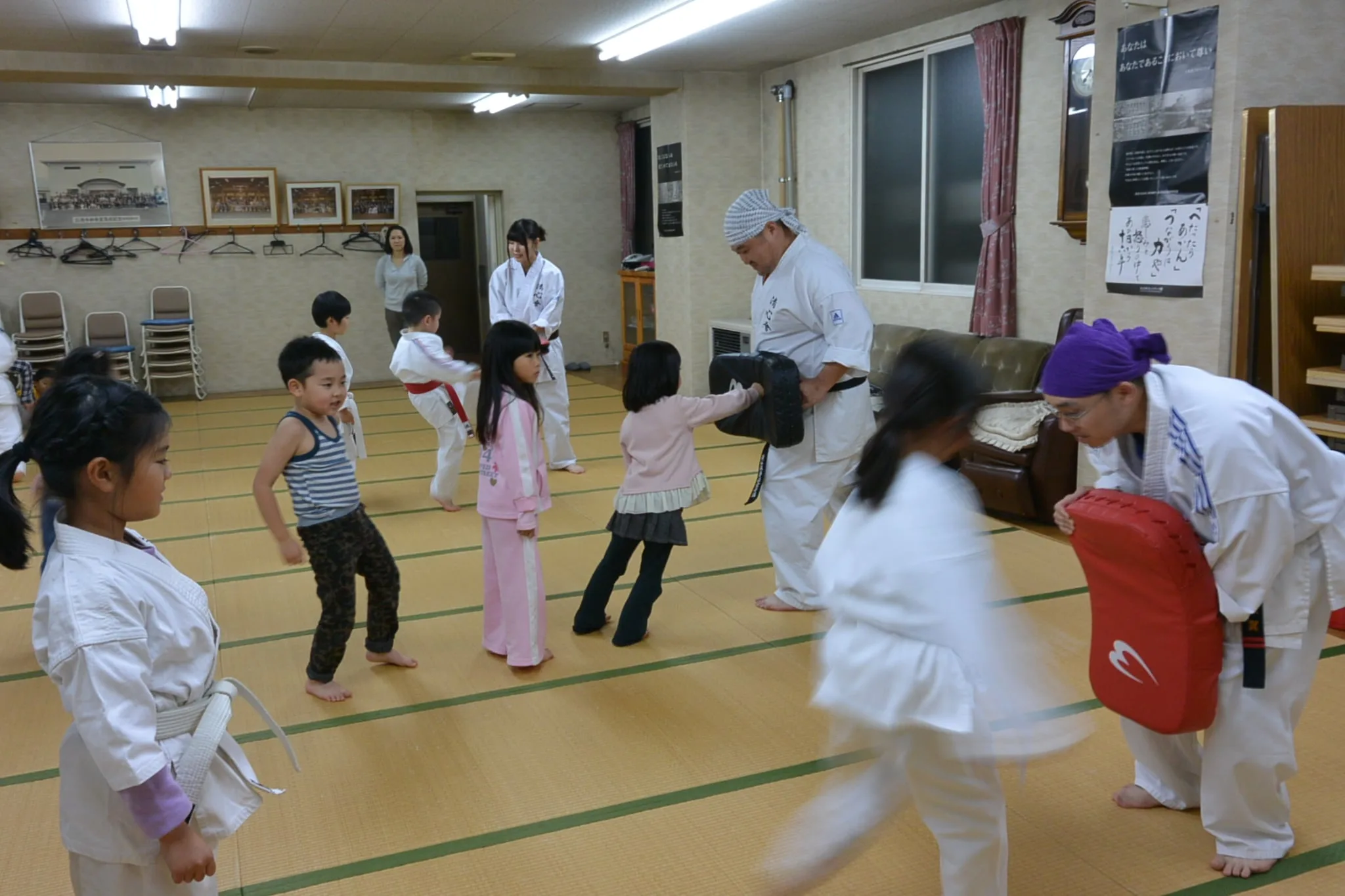
Children don't have the same concentration span as adults, but once they start having fun with karate, they come to love it.
Once they love it, concentration and perseverance follow naturally.
Beyond simply improving physical function, training alongside a wide range of age groups lets them experience group activity from an early age.
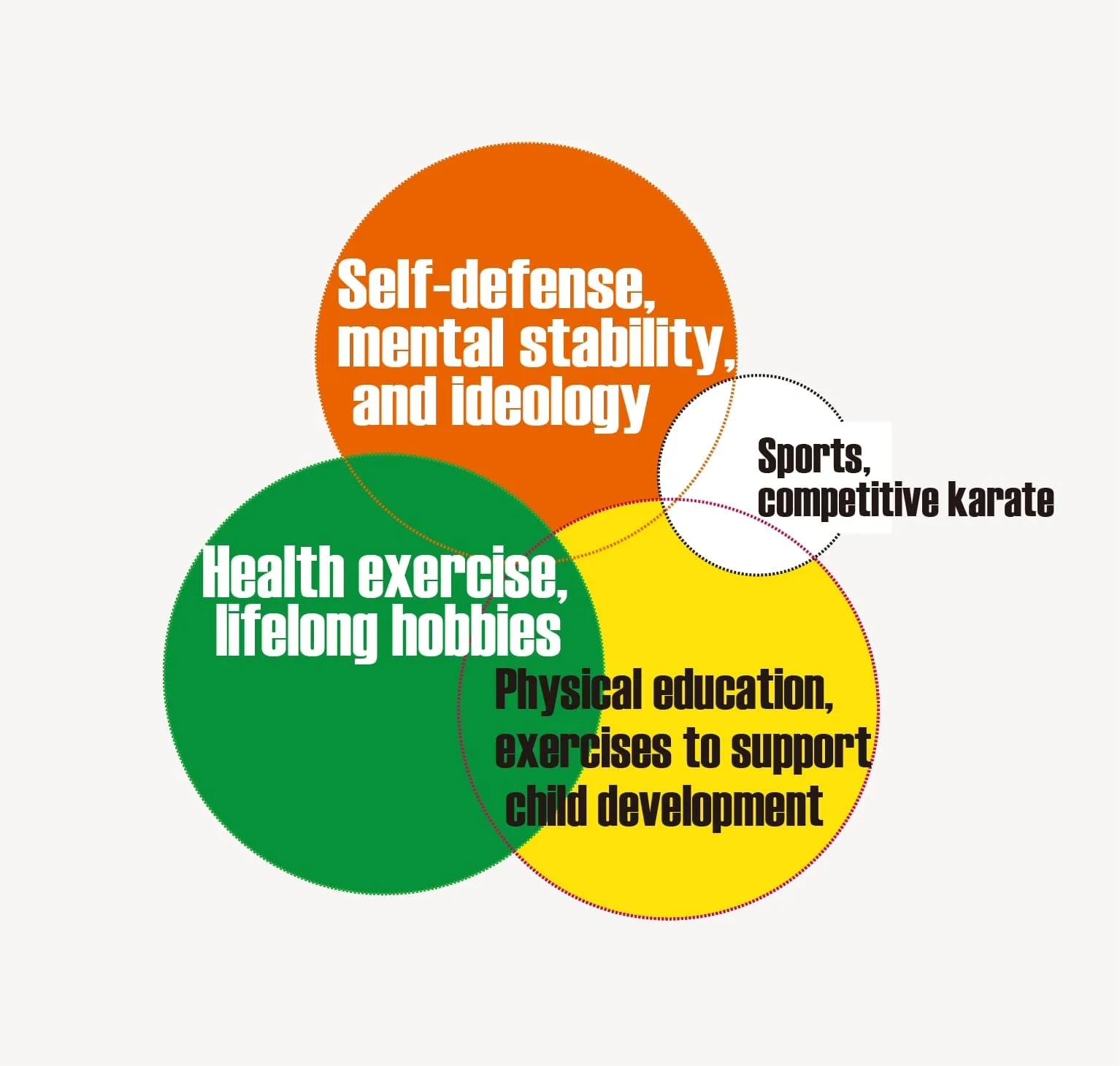
The diagram on the left shows Seishinkai's emphasis.
Elsewhere, the competitive-sport side tends to carry the greatest weight.
Seishinkai doesn't reject competitive sport, but we place our emphasis based on what matters most for each age group.
About Seishinkai's Tournament
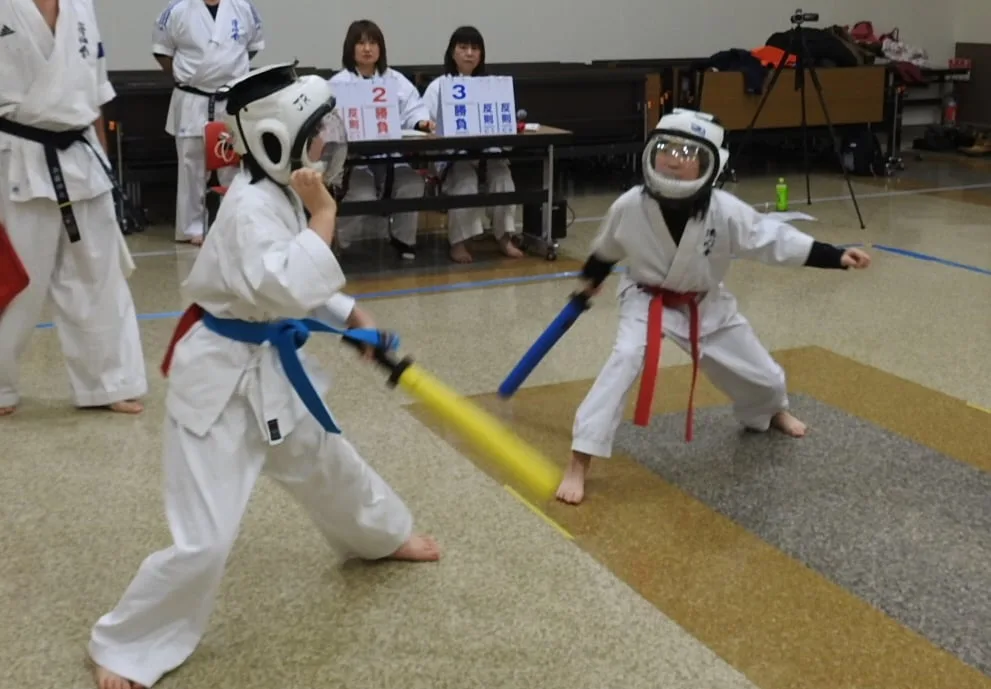
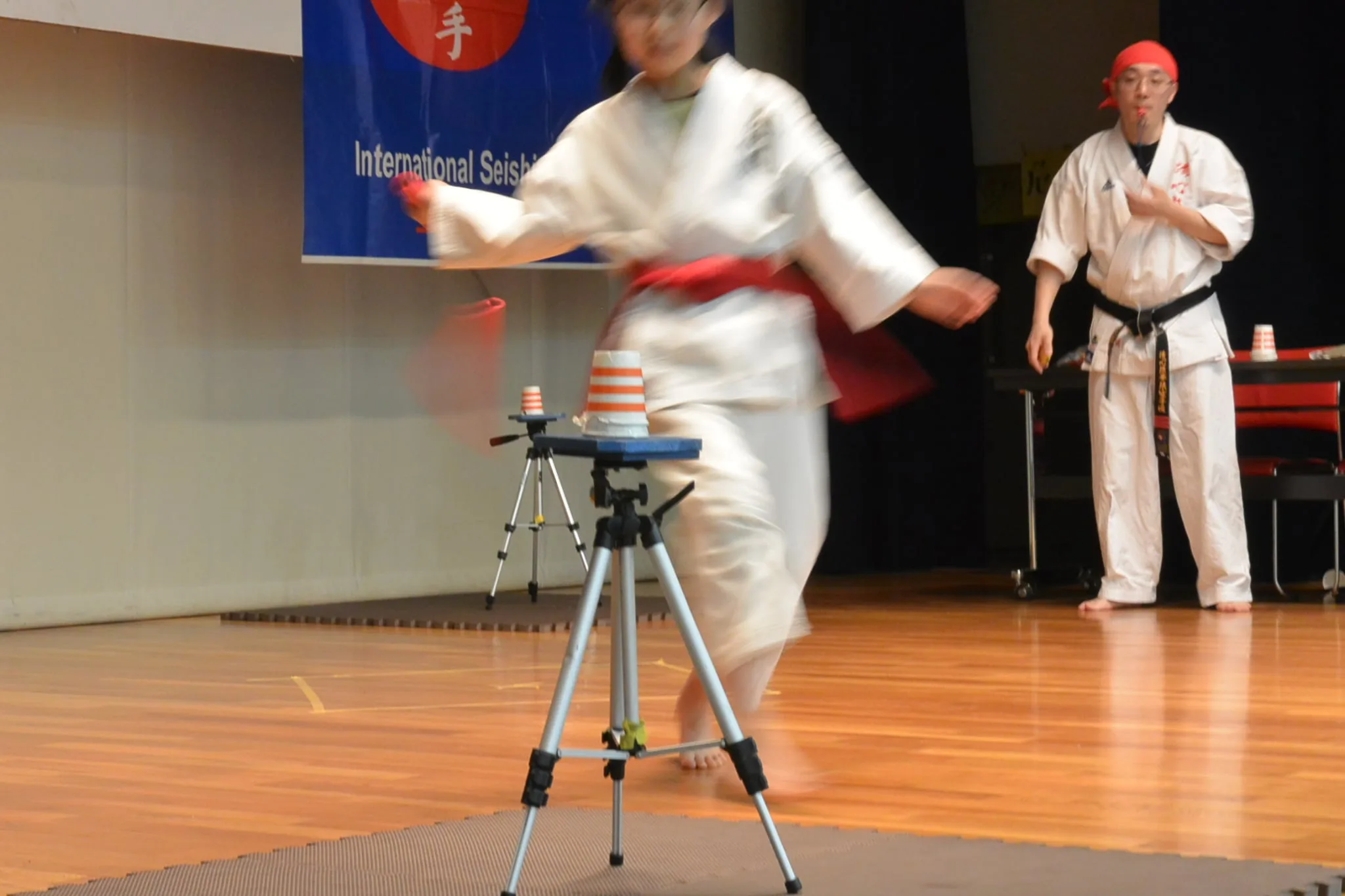
Seishinkai holds one tournament per year. Think of it as a combination of a school athletic meet and a cultural festival — an opportunity to showcase everyday training.
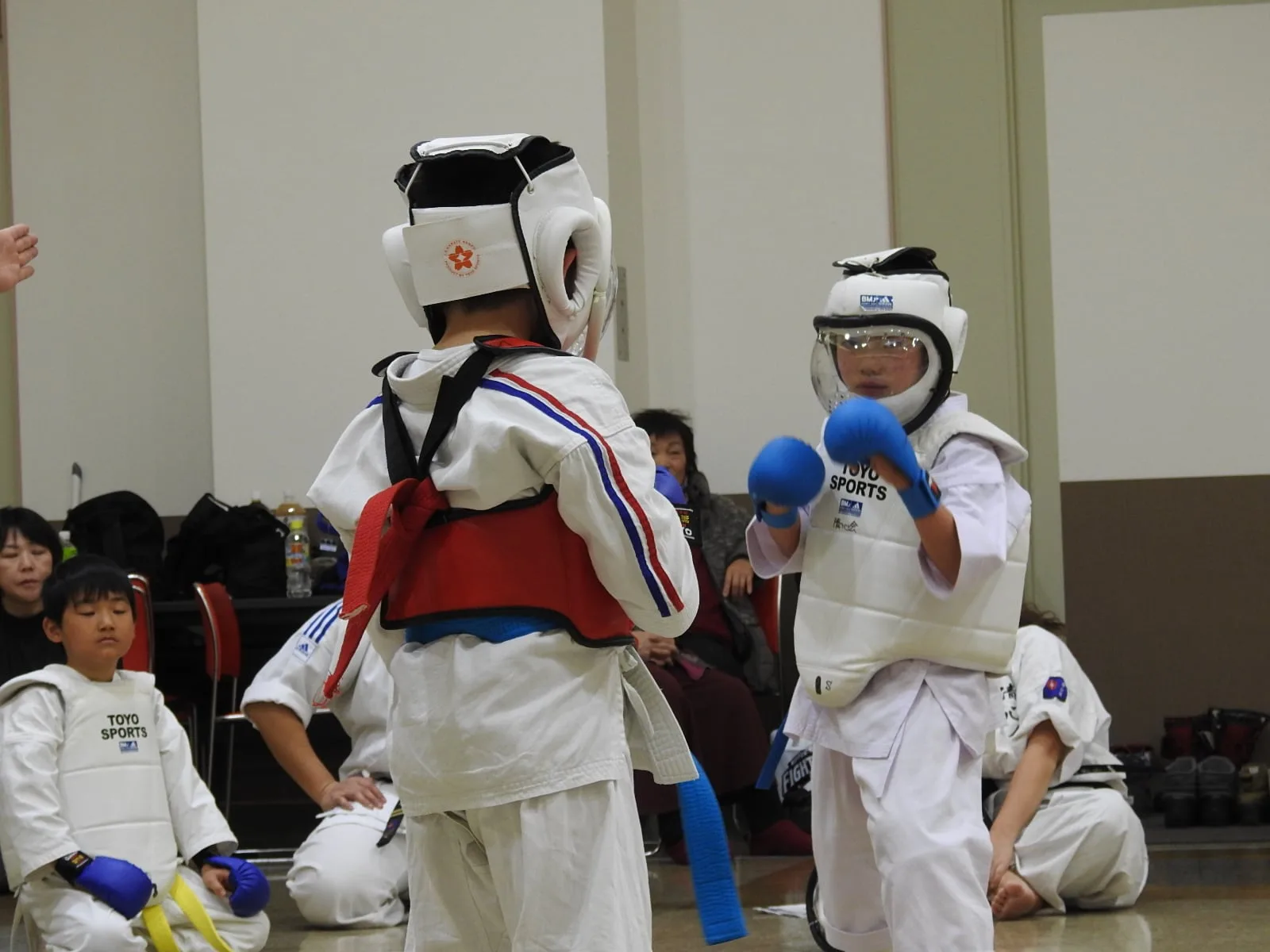
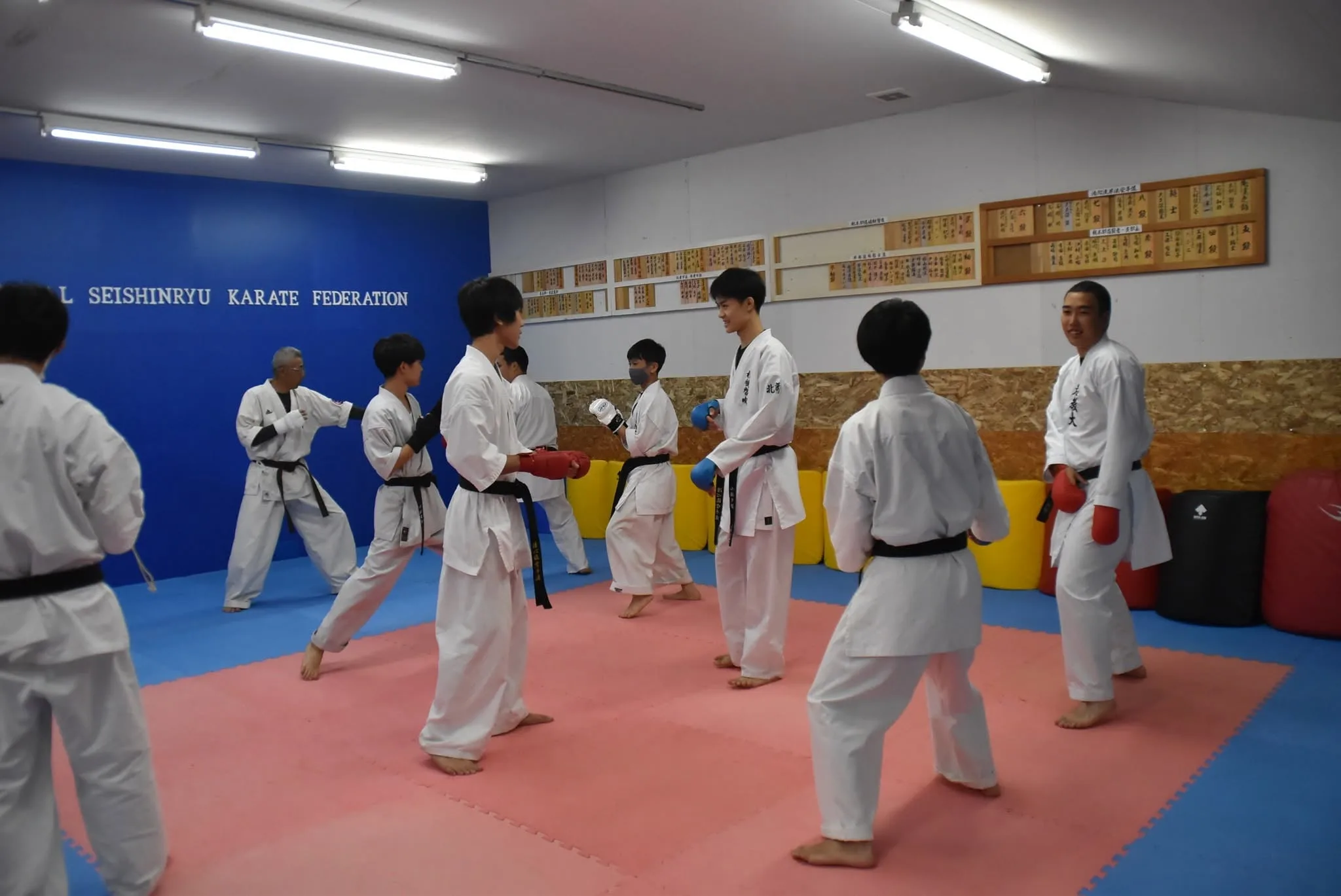
Sparring broadly falls into three types: the "stop-before-contact" style used in high school federation and national athletic meet rules (where the technique is stopped just short of the opponent), full-contact sparring where strikes actually land (upper-level punches to the head are prohibited), and Seishinkai's own style — full protective-gear sparring, which is uncommon in Hokkaido.
Participants wear a mask, body protector, and hand/foot supporters, and strikes are allowed to land. Because of the protective gear, the chance of injury is lower than under other rule sets even when strikes connect.
Experiencing the sting of a strike, and the impact of being struck, without real injury, can help build resilience against bullying. Karate also has a martial-arts side, and in recent years the ability to react instinctively and evade danger has become an increasingly valuable skill.
Various sports competitions hold matches almost every month during their season, so training centers around preparing for those. Seishinkai, on the other hand, only holds its own in-house tournament, so day-to-day training centers on "physical-fitness karate" — basics and kata that build physical function and support healthy growth.