About Seishinkai
Seishinkai grew out of the Seishinkan Okubo Dojo, founded in 1986 after the passing of the first Soke (originally the Seishin-ryu Karate Sapporo Branch, established in 1976 under Branch Chief Katsumi Okubo). In February 2004 it was incorporated with the approval of the Governor of Hokkaido, becoming Hokkaido's first registered non-profit (NPO) karate organization.
Official registered name: Specified Nonprofit Corporation "All Japan Seishinkai". Activities include karate classes, international exchange, and support for karate exchange students.
※ We also host long- and short-term international karate students, and offer karate and iaido experiences for visitors from overseas.
History
- 1957 Soke Kazuo Kikuchi founds Seishin-ryu (karate, iaido, jujutsu, and jojutsu) in Mita, Tokyo
-
1976
The Seishin-ryu Sapporo Branch is launched
(Katsumi Okubo is appointed branch chief by Soke Kazuo Kikuchi) - 1983 Founder Soke Kazuo Kikuchi passes away
- 1986 With the support of patron Yoshihiko Watanabe, the Seishinkan Okubo Dojo (Seishin-ryu Okubo-ha) is established
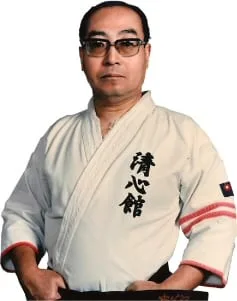
(founded the style in Mita, Tokyo, 1957)
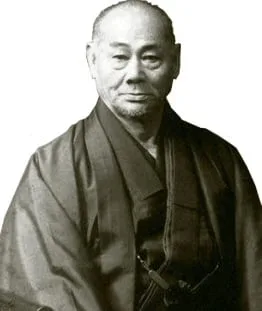
(a master revered by Seishinkai as a forerunner)
- 1987 First Seishinkai Karate Tournament
- 1990 Sapporo East Branch founded with the support of San-ai Auto Industries
- 1992 Hokuto Branch founded with the support of alumni president Masami Koyano
- 1993– Branches open across the region: Atsubetsu, Asabu, Tsukisamu, Okushiri Island, and more
- 1995 Seishinkan website launched
- 2000 Online karate school opens
-
2002
Yamanashi Branch (Minobusan University karate club) and Shizuoka Branch founded
Headquarters relocates to Higashi-Sapporo - 2003 With over 20 branches, application submitted to the Governor of Hokkaido for NPO certification
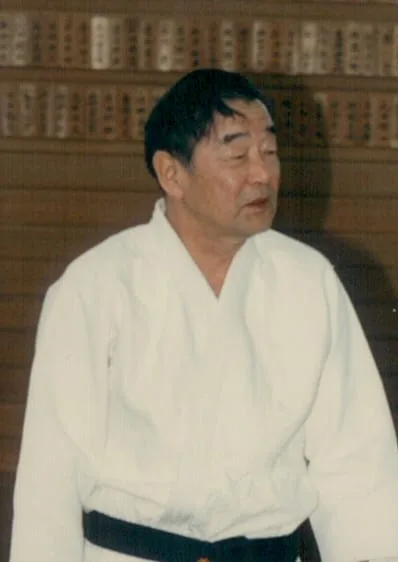
(Seishinkai technical advisor, 1927–2003)
- 2004 Registered as the Specified Nonprofit Corporation "All Japan Seishinkai"
-
2005
The former Seishin-ryu Hayakita Branch (Seishinkan Takahashi Dojo) joins
New headquarters dojo "Shiroishi Seishinkan" opens; Iaido division founded - 2006 Hokushinkai of Niikappu (Shihan Hitoshi Takano) joins
- 2007 Kimobetsu Branch founded; short-term exchange students first accepted
- 2008 Muryu-juku of Chiba (Shihan Taro Shinozaki) joins
- 2009 Surpassing 70 branches, the All Japan Seishinkai Karate Federation is established
- 2010 Permanent dojo Oasa Seishinkan opens; full acceptance of live-in karate students (uchideshi) begins
- 2011 First overseas branch opens in Sri Lanka; permanent dojo Hondori Seishinkan opens
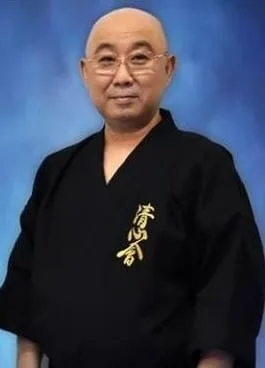
Founder of Seishin-ryu Kenpo Karate-do, ISKF President & Soke
-
2012
With over 120 branches in Japan and abroad, the Seishin-ryu International Karate Federation (ISKF) is established
"Seishin-ryu Karate-do Seishinkai" and its logo are trademark-registered
Headquarters dojo opens in Sakaedori, Shiroishi-ku, with the Seishinkai karate archive room
Hokkaido's first female dojo director (Shihan Kayoko Mimura) takes office -
2013
Fukuoka Branch founded; branches and partner dojos expand overseas, including India
From this year on, masters from overseas visit the headquarters annually — full-scale international karate exchange begins - 2014 Seishinkan Yamamoto Training Center established
- 2015 Official style name set as "Seishin-ryu Kenpo Karate-do"
-
2016
Seishinkai memorial monument erected
Permanent dojo "Chuo-Higashi Dojo" (Chuo-Higashi Branch) opens - 2017 Kyogoku Branch, Ishikari Ryokuendai Branch, and others founded
-
2018
Hondori Seishinkan renovated (dojo space doubled)
Acacia, Nango (Lucy), and Chuo-Minami branches founded - 2019 Makomanai Branch and Pakistan Branch founded
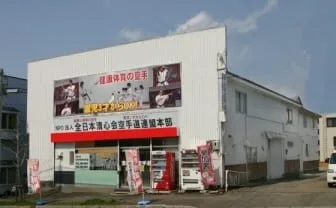
approx. 660 m² — the largest permanent dojo in Hokkaido
-
2020
In response to COVID-19, online karate classes begin in earnest (group and one-on-one).
Bangladesh and Nepal branches founded.
Shihan Tsubasa Okubo succeeds as headquarters director and 2nd-generation ISKF Soke.
The federation is renamed the All Japan Seishinkai Karate & Kobudo Federation, and the international organization the Seishin-ryu Karate & Kobudo Federation. -
2021
Taijutsu health exercise classes begin. Website visitors since 1995 pass 1.5 million (December).
Total enrollment since 1986 passes 7,000. - 2022 Cumulative enrollment reaches 7,444 (as of Dec 17, 2022)
-
2023
Permanent dojo "Inoue Dojo" completed!
Sweden expedition (Director Tsubasa Okubo)
Hamatonbetsu Branch founded - 2024 Australia Branch founded
-
2025
Total enrollment since founding passes 8,000 (as of Mar 30, 2025)
Argentina Branch and Toyota club founded - 2026 New Zealand Branch founded; four branches in India, 62 dojos overseas (over 2,700 members).
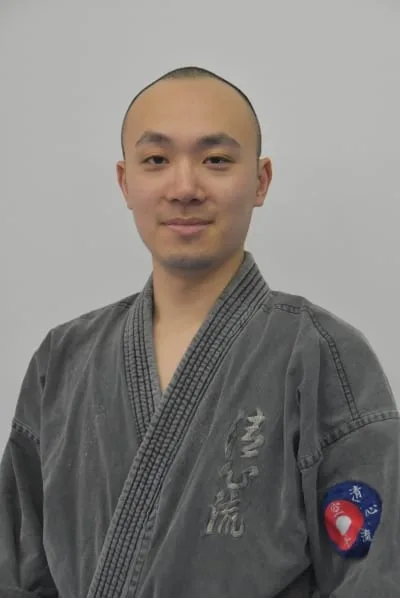
(Acting ISKF President / 2nd-generation Soke, since 2020)
Organization
| Organization | Seishinkai ※ "Seishin-ryu Karate-do Seishinkai" and its logo are registered trademarks. |
|---|---|
| Style | Seishin-ryu Kenpo Karate-do (Okubo-ha Seishin-ryu) |
| Dojos | Permanent dojos under direct headquarters control, named "Seishinkan" (with regional prefixes): Seishinkan Headquarters (Sakaedori Seishinkan), Hondori Seishinkan, Oasa Seishinkan, Seishinkan Yamamoto Training Center. Certified dojos: Sumiyoshi-juku, Inoue Dojo, Hokureikai (Misawa-ji Dojo). Member dojos: Seishinkan Takahashi Dojo, Hokushinkai. Associate/partner dojos: Aozorakai, Muryu-juku. ※ The dojos listed on our Dojo List page are the officially certified branches, classes, and clubs of the federation. |
Seishin-ryu Kenpo Karate-do (ISKF)
| Founding | Created by Katsumi Okubo, former head of the Seishin-ryu Sapporo Branch, drawing on his experience of town dojos, university karate clubs, Okinawan kobudo, JSDF hand-to-hand combat, and jujutsu. Strongly influenced by the late Prof. Yoichi Muroki of Hokkaido University — a specialist in developmental and exercise physiology (karate kyoshi, judo shihan, and advisor to the Daito-ryu Aiki-jujutsu Kodokai) — the style emphasizes karate for health and physical education. |
|---|---|
| Kata | Bogyo kiso-kata, Ho-kata (4), Taikyoku (3), Pinan (5), Taisabaki (3), Naihanchin, Seiryu, Passai, Seienchin, Seishan, Kusanku, Shinpa, Wanshu, and others |
| Kumite | 9 basic yakusoku kumite, single-form and multi-form kumite, bunkai kumite, kumite-gata I & II |
| Kobudo | Weapons arts including sai, tonfa, and iaido, plus self-defense jujutsu |
| Competition | Officially uses protective-gear (bogu) rules. ※ Branches are free to take part in regional/JKF (sundome) and full-contact federation events. |
| Patches |
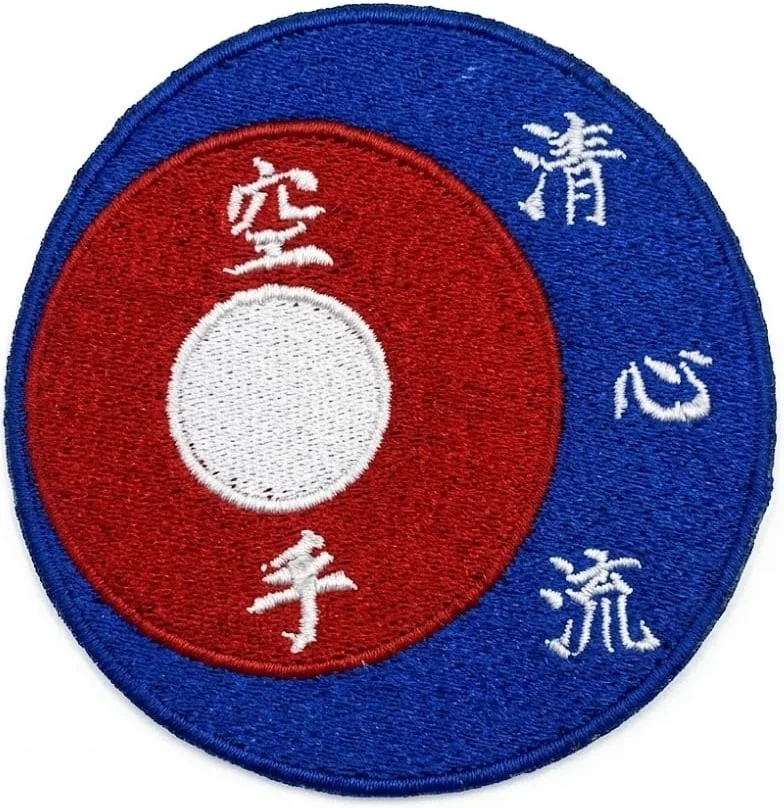 8 cm round patch 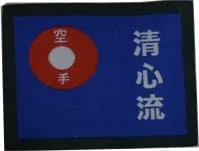 5 cm × 6.5 cm sleeve patch 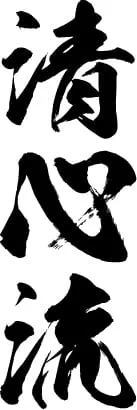
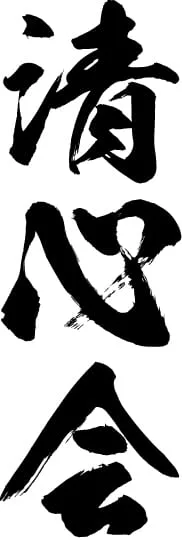
※Some organizations originating from the former Seishin-ryu also use similar logos and other marks. However, organizations not listed in our branch directory are separate entities and are not affiliated with our association. Although our organization has held a registered trademark since 2012, we do not restrict the use of the trademark by legitimate dojos whose branch chiefs were authorized by the founder and which continue to uphold the tradition of the founder's lineage even after his passing. This policy respects the wishes of the founder’s surviving family. |
| Uniform | Original made-to-order karate-gi, cut and sewn to our own design (unlike off-the-shelf gi) ※ Available through Fujido Sports and Toyo Budogu |
※ Full trademark registration details for "Seishin-ryu Karate-do Seishinkai" and its logo can be viewed on J-PlatPat (Japan Platform for Patent Information) — trademark record, application no. 2013-057276.